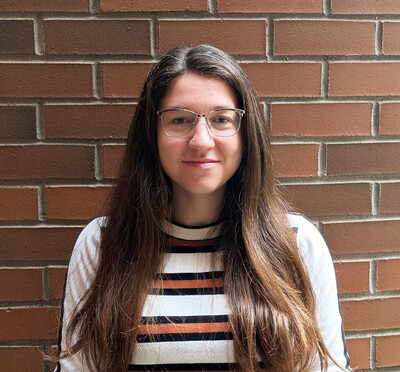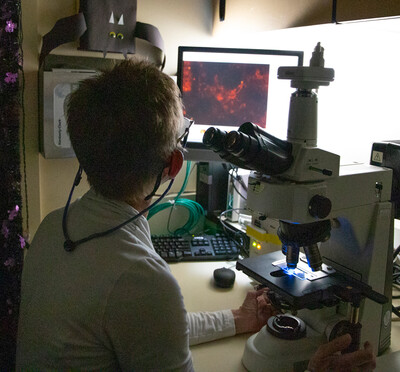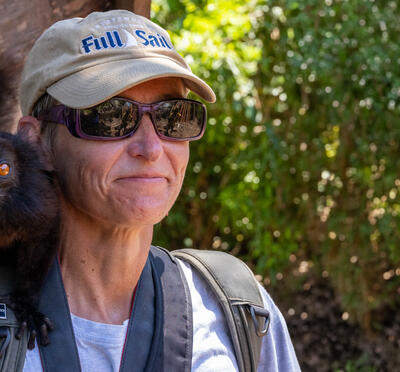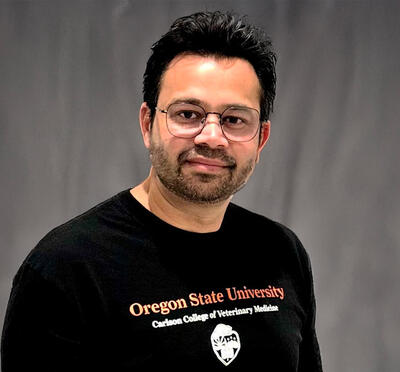

We sat down with our Oregon Veterinary Diagnostic Laboratory pathology residents, Dr. Kyle Hager, Dr. Latifat Adekunle, Dr. Rachel Fost, and Dr. Vaugh Taylor-Lehman, to learn more about them and their work.
What inspired you to pursue a career in pathology?
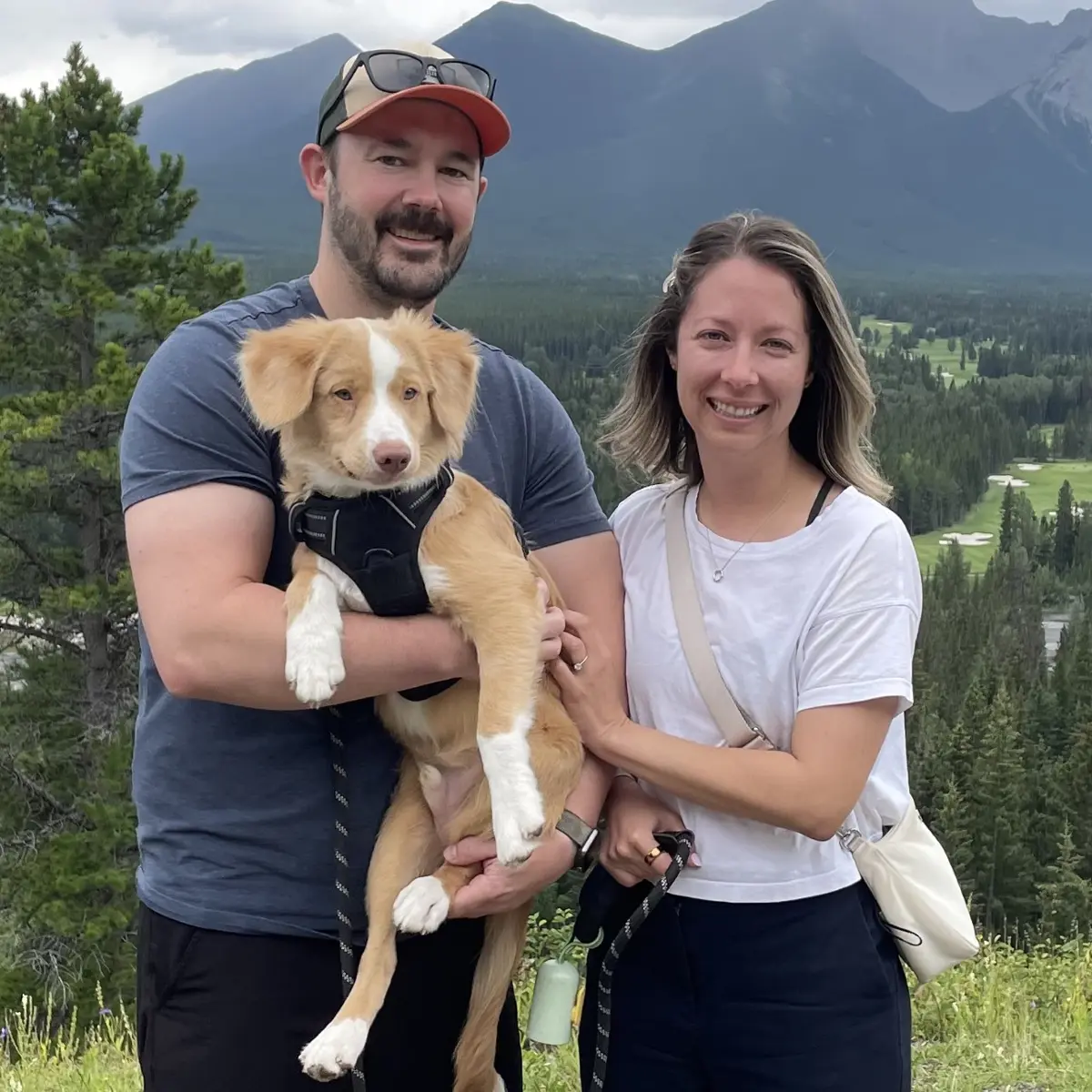
Dr. Kyle Hager
Several things got me interested in clinical pathology. One of the mains reasons is that I have always found the microscopic world fascinating. Being able to examine cells (from many different species) and understand their roles in health and disease is truly exciting.
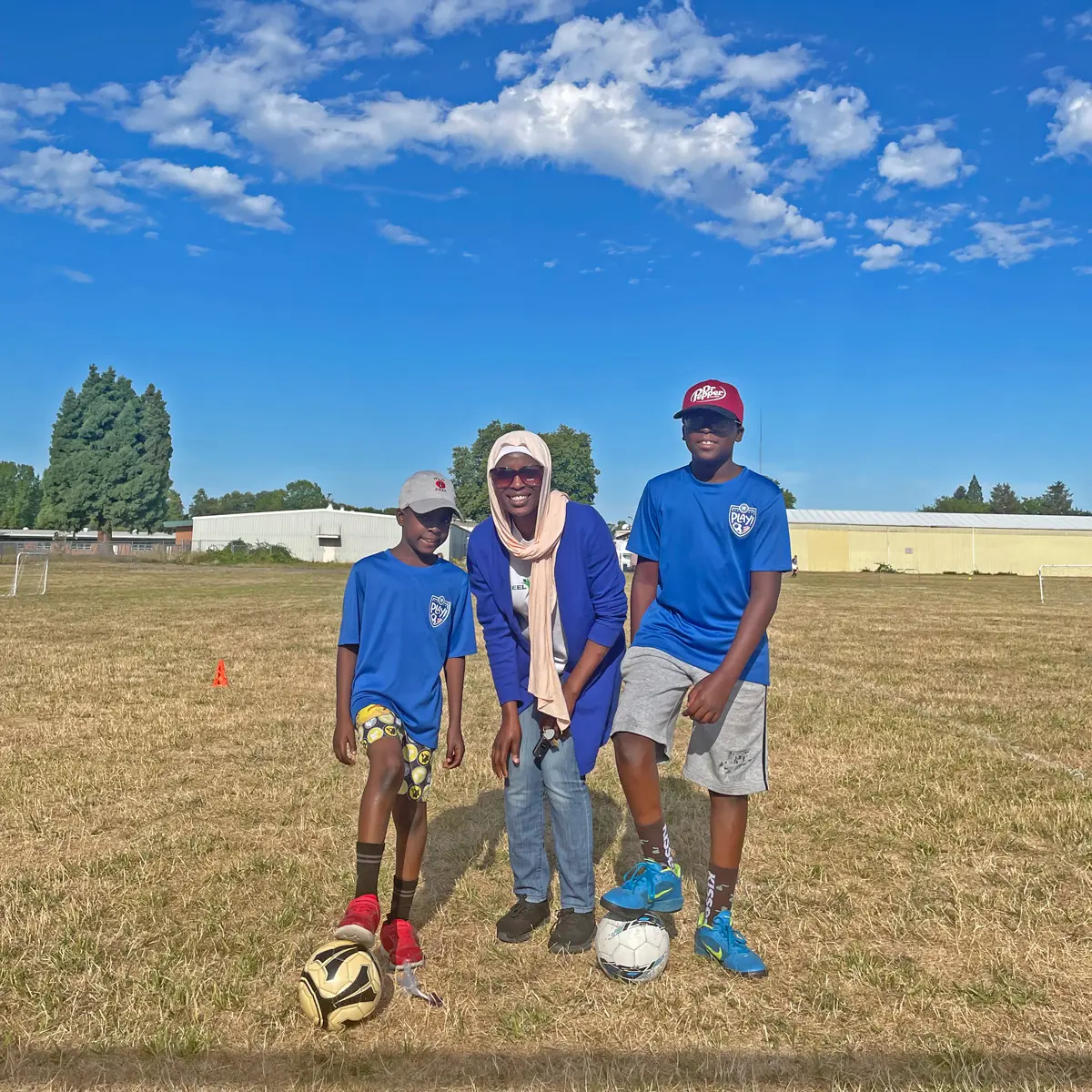
Dr. Latifat Adekunle
My passion for pursuing a career in pathology began during my second year of veterinary school. I vividly remember one class where the professor asked us to describe what we saw under the microscope. At the time, all I could recognize was a beautiful mix of pink and purple colors, until he explained that we were looking at a muscle tissue. Although I took other courses at the time, microscopy held a special place in my heart. It became even more interesting when I learned that the species of an animal can be determined by the varying sizes and shapes of erythrocytes. From that point on, I became passionate about understanding tissues and cells at a deeper level. This passion led me to pursue a master’s and Ph.D. in pathology after earning my veterinary degree. I then completed a clinical pathology internship and am now a third-year clinical pathology resident, still driven by the same curiosity, passion and excitement. My goal is to become a board-certified clinical pathologist!
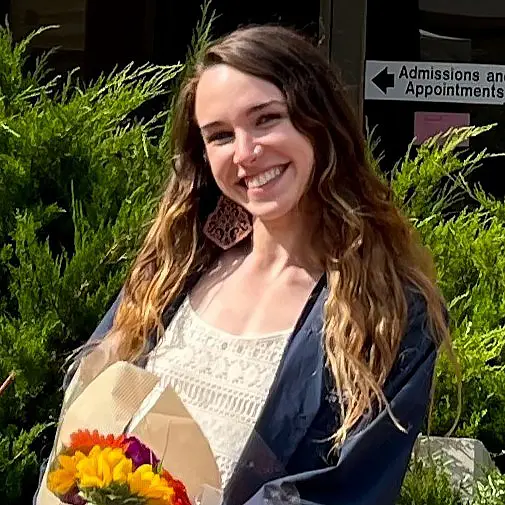
Dr. Rachel Fost
I entered the field of veterinary medicine with the goal of working with aquatic and wildlife species. I found pathology to be the perfect bridge between scientific research and clinical medicine, which is a critical overlap for conservation of these vulnerable populations. Not only is it fascinating to be able to see disease on a cellular level, but the field of pathology provides an important (and exciting!) opportunity to advance our understanding of anatomy and physiology in a unique variety of species.

Dr. Vaughn Taylor-Lehman
Pathology is a fascinating field where we learn about diseases and the body's response to them. Residency is an amazing opportunity to dive deeper into mechanisms of disease and how illnesses present in animals. The desire to understand conditions grossly as well as microscopically always fascinated me. I had to know more!
I really enjoy working with different species, and veterinary pathology provides an unmatched opportunity to contribute to a wide range of animal health scenarios — we may help producers prevent disease from spreading in a group of animals, provide a definitive diagnosis for pet parents, or even contribute to the protection of wildlife with important diagnostics. I'm eager to pursue more knowledge and to help animals in many different corners of the world.
What’s been the most surprising part of your residency so far?
Hager
I think it is the variety of cases that I get to work on. We get so many interesting cases from our teaching hospital and local clinics that I see something new nearly every day.
Adekunle
One of the most surprising/interesting aspects of my residency program that I did not fully realize before embarking on this journey is how much I have learned about human behavior and workplace dynamics. While I thought the focus was primarily on interpreting slides and laboratory data, I have come to appreciate that clinical pathology training also involves building relationships, effective communication with colleagues, clients and professionalism at the workplace. These are skills that are just as critical as diagnostic expertise. This has been a valuable, lifelong lesson that I will carry with me alongside my passion for microscopy and diagnostic pathology.
Fost
The OVDL is like a box of chocolates, you never know what you are going to get! I enjoy working with a wide range of species from a comparative standpoint, and the case diversity here never fails to keep me on my toes. Every day is full of surprises; one day we might have a sea lion and the next a porcupine.
Taylor-Lehman
An exciting part of applying to residency was the prospect of seeing a multitude of species. Oregon State described their varied caseload and it did not disappoint! Already in the first few weeks I've seen cats, dogs, a skunk, horses, small ruminants, birds and even marine mammals. I've been surprised at the range of day-to-day cases, and I'm excited to keep learning.
I also want to express my appreciation for everyone being so kind and welcoming here at OSU. Not that it was a surprise, but the wonderful faculty, staff, and other residents have quickly helped me feel at home.
What are your hobbies?
Hager
My favorite hobby is fly fishing and tying flies. Nothing beats getting out in nature and spending a day on the river.
Adekunle
When I am not in my pathology world, I enjoy spending time with my beautiful family. I also like braiding hair and visiting the ocean.
Fost
I’m always looking for ways to scratch my creative itch, and recently I’ve taken up a number of sewing projects using secondhand fabrics. I have an activity for every season from fly fishing in the summer to snowboarding in the winter, though my favorite all-season activity is flow arts, specifically hula hoop tricks!
Taylor-Lehman
Years ago I was a stage actor in comedy and dramatic productions. I really enjoyed it and hope to act again in the future. I've also been improving my skills as a landscape and wildlife photographer. Finally, I enjoy working with my hands: small projects around the house, creative builds, and even a little woodworking too.
Related Stories